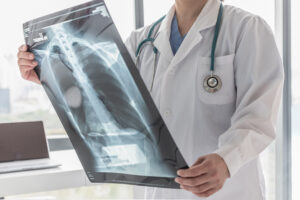
Chest injuries can range from painful but minor bruising to life-threatening trauma involving the ribs, lungs, heart, and major blood vessels. Because the chest protects vital organs, any significant impact to this area can lead to serious medical complications.
In Wisconsin, chest injuries are commonly associated with motor vehicle crashes, workplace accidents, falls, and other traumatic incidents. Understanding how these injuries occur, what symptoms to watch for, and what legal options may be available can help injured individuals protect both their health and their rights.
What Is a Chest Injury?
A chest injury refers to any trauma affecting the structures within the thoracic cavity, including:
- Ribs and sternum
- Lungs
- Heart
- Blood vessels
- Muscles and connective tissue
Chest injuries are typically categorized as either:
- Blunt trauma: Caused by forceful impact without penetration (e.g., from an auto accident or a fall)
- Penetrating trauma: Caused by objects piercing the chest wall (e.g., a gunshot or knife wound to the chest)
Blunt chest trauma can still cause severe internal damage even when there are no visible external wounds. Most Wisconsin personal injury cases are based on this type of chest injury.
What Causes Chest Injuries in Wisconsin?
Chest injuries often result from high-impact or forceful incidents. Common causes include:
In motor vehicle collisions, rapid deceleration can push the chest against interior vehicle components, leading to rib fractures, lung contusions, or internal bleeding.
What Are the Most Common Types of Chest Injuries?
Chest trauma can affect multiple structures at once. Some of the most common chest injuries include:
Rib Fractures
Broken ribs are among the most frequent chest injuries. While a single fractured rib may heal with time, multiple fractures can:
- Puncture a lung
- Cause significant pain that restricts breathing
- Lead to pneumonia due to shallow breathing
Because the ribs play a critical role in protecting vital organs and supporting normal breathing, even seemingly minor fractures should be carefully monitored by a medical professional.
Pulmonary Contusion (Bruised Lung)
A pulmonary contusion involves bleeding and swelling within the lung tissue. This can impair oxygen exchange and may worsen over several days.
Pneumothorax (Collapsed Lung)
A collapsed lung occurs when air leaks into the space between the lung and the chest wall. Symptoms may include:
- Sudden chest pain
- Shortness of breath
- Rapid heart rate
Severe cases require emergency medical intervention.
Cardiac Contusion
Blunt force trauma can bruise the heart muscle, potentially causing irregular heart rhythms or other complications.
Sternum Fractures
A fractured breastbone (sternum) is commonly associated with seatbelt injuries in auto collisions.
What Are Common Symptoms of Chest Injuries?
Some chest injuries are immediately obvious, while others may worsen over time. Warning signs can include:
- Persistent or worsening chest pain
- Shortness of breath or difficulty breathing
- Pain when breathing or coughing
- Coughing up blood
- Rapid heartbeat
- Dizziness or fainting
- Visible bruising or swelling
Because internal bleeding and lung damage may not be immediately apparent, it is important to seek medical attention after any significant blow to the chest.
How Are Chest Injuries Diagnosed and Treated?
Diagnosis of a chest injury typically involves:
- Physical examination
- Chest X-rays
- CT scans
- Ultrasound imaging
- Blood tests
- Electrocardiogram (ECG)
Treatment depends on the severity of the injury and may include:
- Pain management
- Oxygen therapy
- Chest tube insertion to remove air or blood
- Surgery in severe cases
- Hospital monitoring for complications
Recovery time can range from several weeks for minor fractures to months for more serious internal chest trauma.
What Long-Term Complications Can Result from Chest Trauma?
Serious chest injuries may lead to lasting health issues, including:
- Chronic pain
- Reduced lung capacity
- Respiratory dysfunction
- Recurring infections
- Cardiovascular complications
- Permanent disability
In severe cases, chest trauma can be fatal, particularly when it involves internal bleeding or organ damage.
What Types of Damages May Be Available After a Chest Injury in Wisconsin?
When a chest injury is caused by someone else’s negligence, the injured person may be entitled to pursue compensation for their losses.
Economic and non-economic damages in a Wisconsin personal injury claim may include:
- Medical bills (for emergency care, hospitalization, surgery, etc.)
- Future medical expenses
- Lost wages
- Reduced earning capacity
- Pain and suffering
- Emotional distress
- Permanent impairment or disability
- Loss of enjoyment of life
The value of a claim often depends on the severity of the injury, the length of recovery, and the long-term impact on daily life.
How Can a Lawyer Help With a Chest Injury Claim?
Severe chest trauma can lead to extensive medical treatment, lost income, and long-term health complications. If the injury was caused by someone else’s negligence, a Wisconsin personal injury lawyer can guide you through the process and advocate for a fair outcome.
An attorney may assist you by:
- Investigating the cause of the chest injury to determine who is legally responsible
- Gathering and preserving evidence, such as accident reports, medical records, surveillance footage, and witness statements
- Working with medical experts to document the severity of the injury and any complications
- Calculating the full value of your damages, including future medical care and diminished earning potential
- Handling communications with insurance companies and preventing mistakes that could hurt your claim
- Negotiating a fair settlement that reflects the true impact of the injury
- Filing a lawsuit and representing you in court, if necessary
By managing the legal and procedural aspects of a claim, a lawyer allows injured individuals to focus on their recovery while protecting their right to compensation.
A serious chest injury can affect every part of your life, from your ability to work to your long-term health. If your injury was caused by a car crash or another act of negligence, you don’t have to face the aftermath alone.
Our Madison personal injury attorneys can review your case, explain your options, and help you pursue the compensation you deserve under Wisconsin law. Contact Eisenberg Personal Injury Lawyers at (608) 256-8356 today to speak with a member of our team and learn how we can help you move forward.