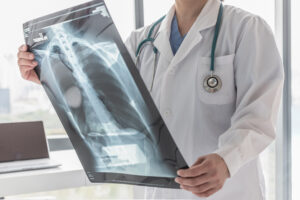
Thoracic injuries are serious medical conditions that affect the chest region, including the ribs, lungs, sternum, spine, heart, and surrounding muscles and tissues. Since the thoracic cavity contains several vital organs responsible for breathing and circulation, even seemingly minor trauma can lead to severe complications. Thoracic injuries often occur unexpectedly and may require emergency medical attention, long-term treatment, and ongoing rehabilitation.
Understanding the causes, symptoms, and treatment options associated with thoracic injuries can help injured individuals recognize the seriousness of their condition and pursue the medical care they need as quickly as possible.
What Is a Thoracic Injury?
A thoracic injury refers to damage involving the chest area between the neck and abdomen. These injuries may affect the skeletal structure of the chest, soft tissue, or internal organs. Thoracic injuries can range from mild bruising to life-threatening trauma involving collapsed lungs, internal bleeding, or cardiac complications.
Medical professionals often categorize thoracic injuries into two primary types, blunt thoracic trauma and penetrating thoracic trauma.
Common Causes of Thoracic Injuries
Thoracic injuries can happen in a variety of situations. Some of the most common causes include:
Car Accidents
Car accidents are among the leading causes of thoracic injuries. During a collision, the chest may strike the steering wheel, dashboard, airbag, or seatbelt with significant force. High-speed impacts often cause fractured ribs, lung injuries, or damage to the thoracic spine.
Slip and Fall Accidents
Falls from heights or slips on hazardous surfaces can result in severe chest trauma. Older adults are particularly vulnerable to rib fractures and complications after falling.
Workplace Accidents
Construction sites, warehouses, industrial facilities, and other physically demanding workplaces often expose workers to risks involving falling objects, heavy equipment, and dangerous machinery. Thoracic injuries may occur when workers are crushed, struck, or pinned.
Sports and Recreational Activities
Contact sports such as football, hockey, and martial arts can produce direct blows to the chest. Cycling accidents, horseback riding incidents, and skiing collisions may also result in thoracic trauma.
Violence
Penetrating injuries caused by knives, firearms, or physical assaults can damage critical organs within the chest cavity and require immediate emergency care.
Types of Thoracic Injuries
Thoracic injuries may involve bones, organs, blood vessels, or soft tissue. Some of the most common types include:
Rib Fractures
Broken ribs are one of the most frequently diagnosed thoracic injuries. While some rib fractures heal with rest and pain management, severe fractures can puncture internal organs or impair breathing.
Flail Chest
Flail chest occurs when multiple adjacent ribs are fractured in several places, causing part of the chest wall to move independently from the rest of the rib cage. This condition can interfere with breathing and often requires hospitalization.
Pneumothorax
A pneumothorax develops when air enters the space between the lung and chest wall, causing the lung to collapse partially or completely. Symptoms may appear suddenly and can worsen rapidly.
Hemothorax
Hemothorax involves blood collecting in the chest cavity, often after traumatic injury. This condition may compress the lungs and interfere with oxygen delivery throughout the body.
Pulmonary Contusion
A pulmonary contusion is essentially a bruised lung. Trauma can cause bleeding and swelling within lung tissue, reducing the body’s ability to absorb oxygen.
Thoracic Spine Injuries
Injuries to the thoracic spine may involve fractured vertebrae, herniated discs, or spinal cord damage. Severe spinal injuries can lead to chronic pain, limited mobility, or paralysis.
Cardiac Injuries
Blunt force trauma can damage the heart muscle or surrounding structures. In severe cases, traumatic chest injuries may trigger cardiac arrest or life-threatening arrhythmias.
Symptoms of a Thoracic Injury
Symptoms vary depending on the severity and location of the injury. Some individuals experience immediate symptoms, while others may not notice complications until hours later.
Common symptoms include:
- Chest pain or tenderness
- Difficulty breathing
- Shortness of breath
- Pain when coughing or inhaling
- Bruising or swelling
- Rapid heart rate
- Dizziness or fainting
- Coughing up blood
- Visible chest deformities
- Fatigue or weakness
Any breathing difficulty or severe chest pain following an accident should be treated as a medical emergency.
Diagnosing Thoracic Injuries
Doctors use several diagnostic tools to evaluate thoracic trauma and determine the extent of internal damage.
Diagnosis may involve:
- Physical examination to assess breathing, heart rate, oxygen levels, and visible signs of injury
- X-rays
- CT scans
- MRI scans
- Ultrasound imaging
- Blood tests
Monitoring blood oxygen levels, heart function, and signs of internal bleeding is also crucial.
Treatment Options for Thoracic Injuries
Treatment depends on the type and severity of the injury. Some thoracic injuries heal with conservative care, while others require emergency surgery.
Treatment options often involve:
- Pain management
- Oxygen therapy
- Chest tubes
- Physical therapy and rehabilitation
Severe thoracic injuries may require surgery to repair damaged organs, stabilize fractures, or control internal bleeding.
Potential Long-Term Complications
Some thoracic injuries heal fully, but others may cause lasting health problems.
Potential complications include:
- Chronic chest pain
- Reduced lung capacity
- Breathing difficulties
- Nerve damage
- Persistent fatigue
- Spinal mobility limitations
- Post-traumatic stress disorder (PTSD)
- Increased susceptibility to respiratory infections
Individuals with severe thoracic injuries may require ongoing medical care, follow-up imaging, and rehabilitation.
Thoracic injuries should never be ignored.
Emergency medical care may be necessary if a person experiences:
- Severe chest pain
- Difficulty breathing
- Bluish skin or lips
- Loss of consciousness
- Rapid heartbeat
- Coughing up blood
- Sudden weakness or confusion
Prompt treatment can help prevent life-threatening complications and improve long-term recovery outcomes.
Thoracic injuries can have devastating physical, emotional, and financial consequences. Whether caused by a car accident, workplace incident, fall, or violent trauma, these injuries often require extensive medical treatment and rehabilitation.
If you or a loved one suffered a thoracic injury because of someone else’s negligence, seeking experienced legal guidance is crucial. Eisenberg Law Offices, S.C. can provide support and advocacy during the recovery process. Contact us at 608-256-8356 for a free consultation with a Madison personal injury lawyer.